

-
Bestseller
Dive Stingray Men's Scuba Diving Rash Guard
$69.99 USD -
Manta Polo Shirt UPF 50+
$69.99 USD -
Dive Stingray Shirt
$59.99 USD -
Manta Jogger
$69.99 USD -
Manta Jersey
$69.99 USD -
Dive Stingrays
$99.99 USD -
Dive Stingray Set
$99.99 USD
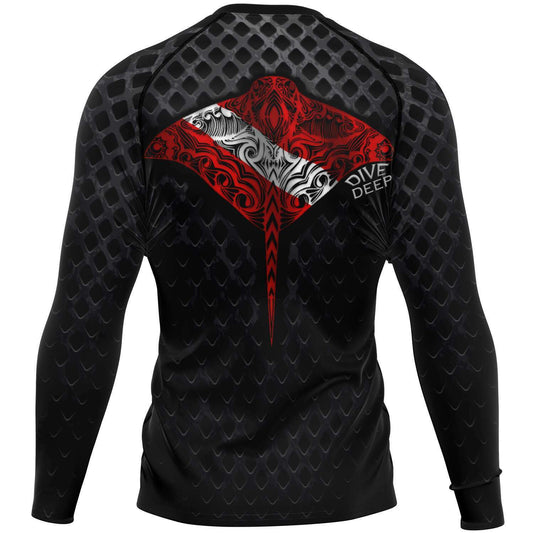
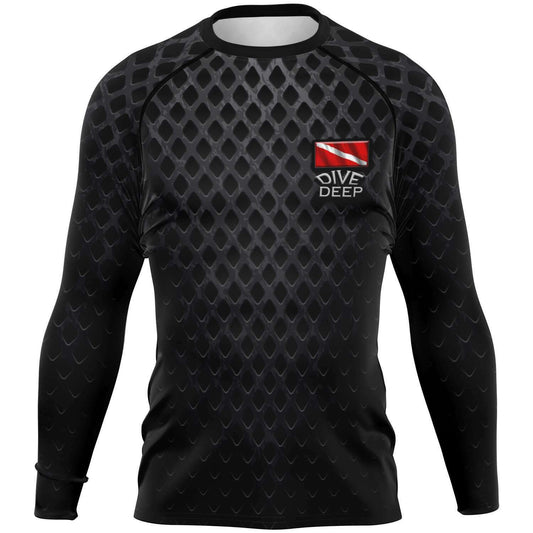

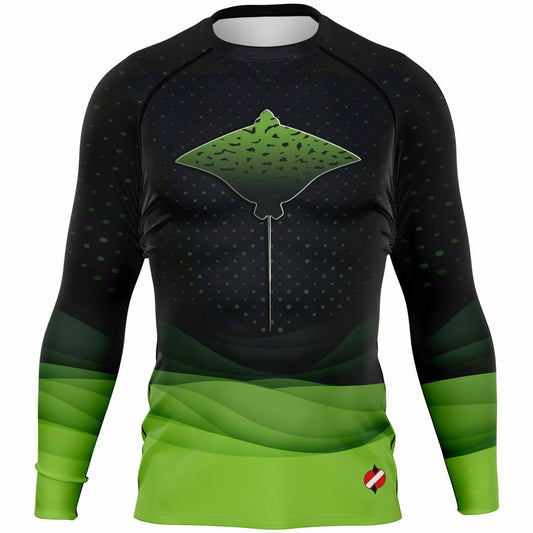


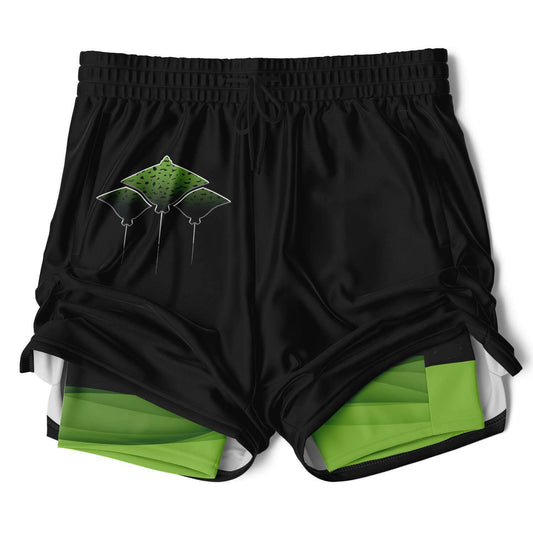
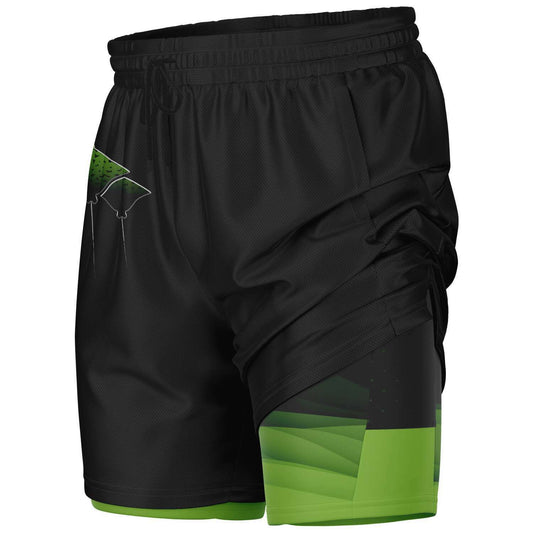


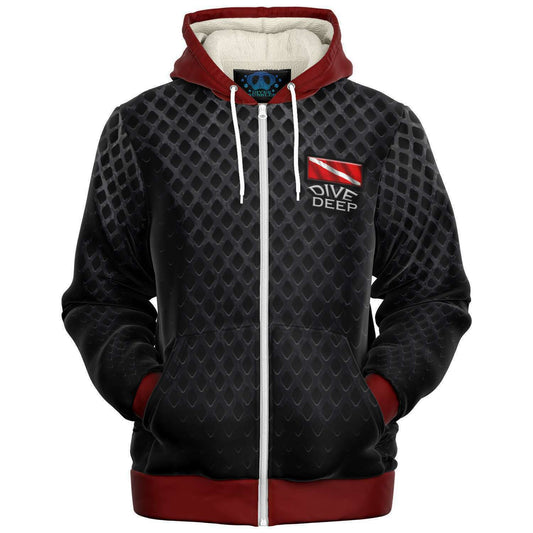
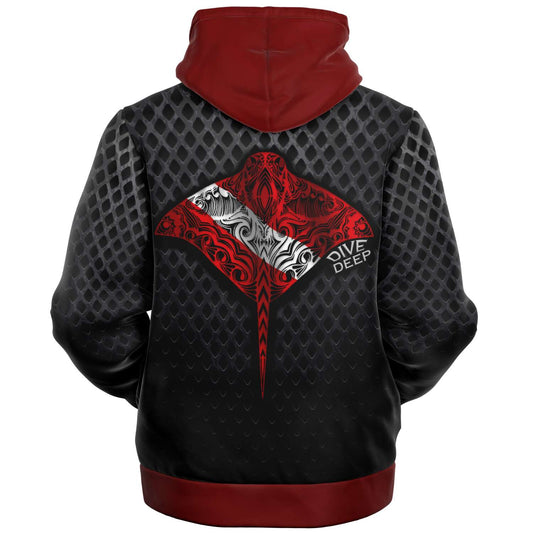
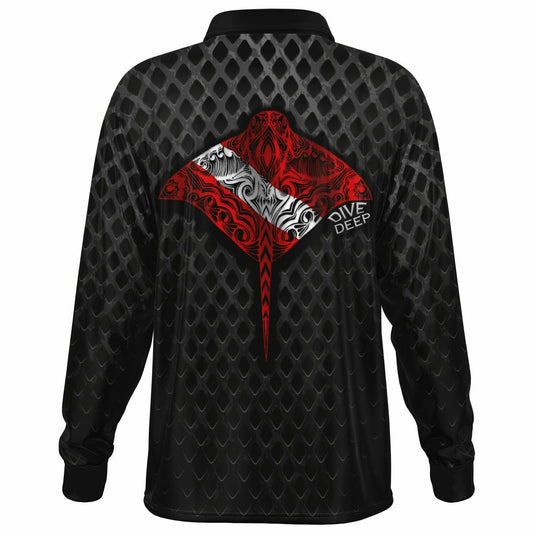
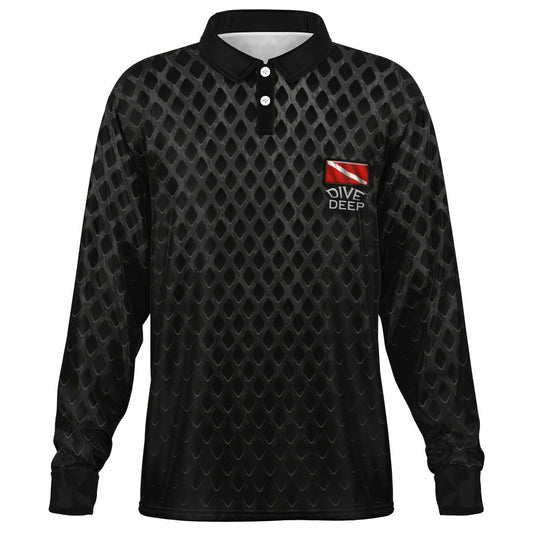

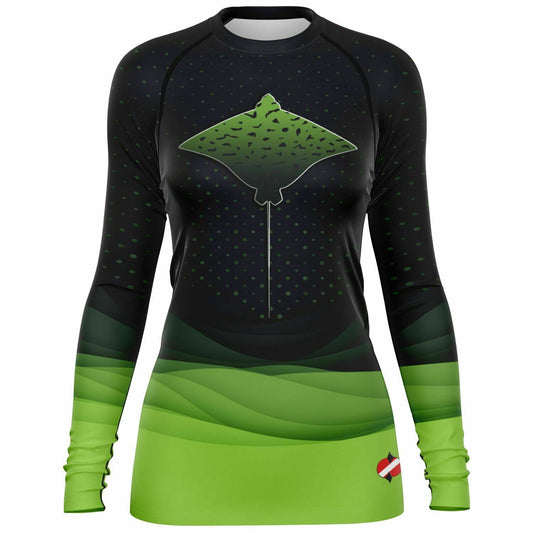
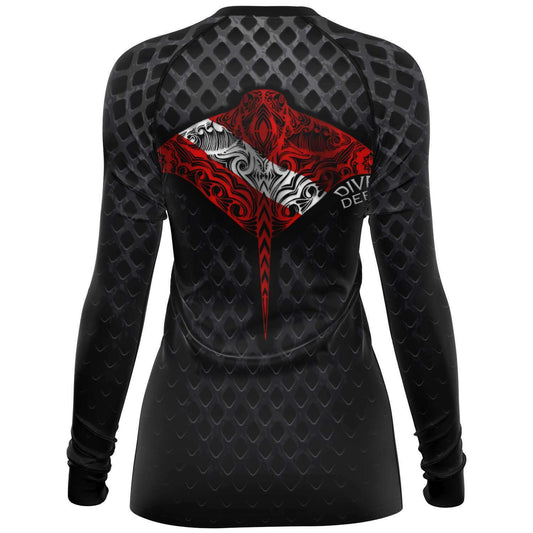
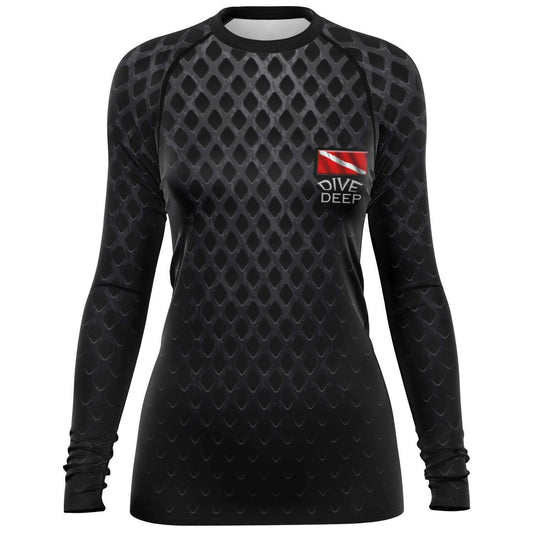
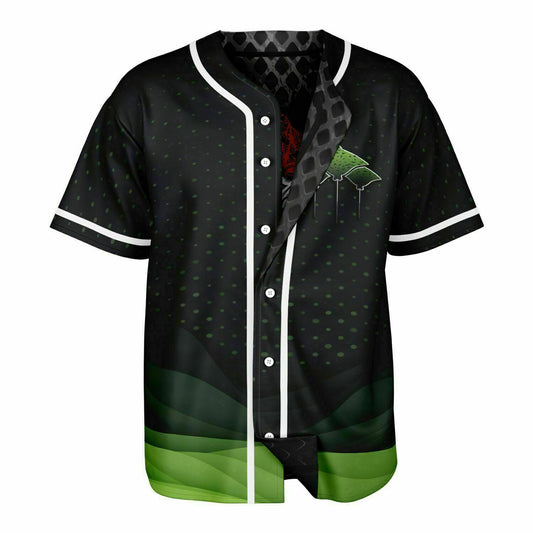
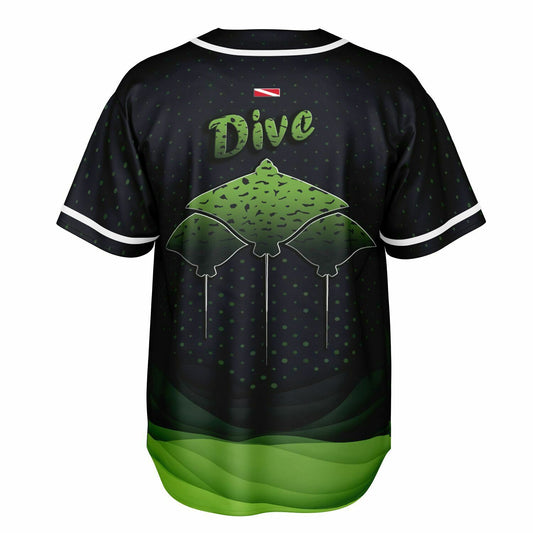
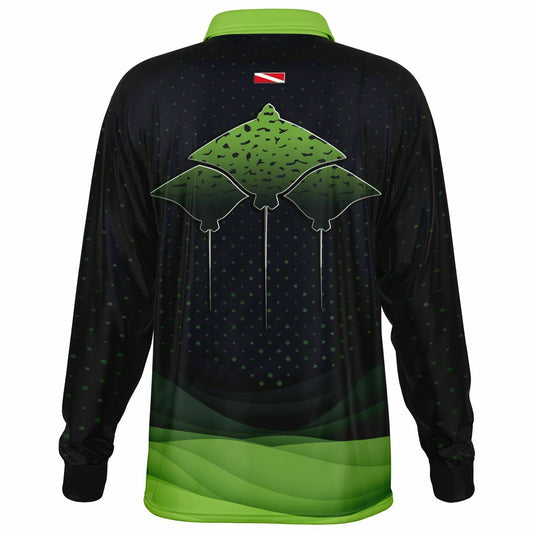
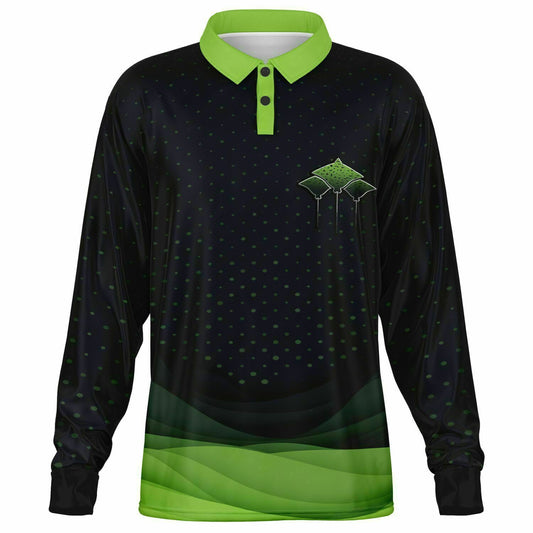
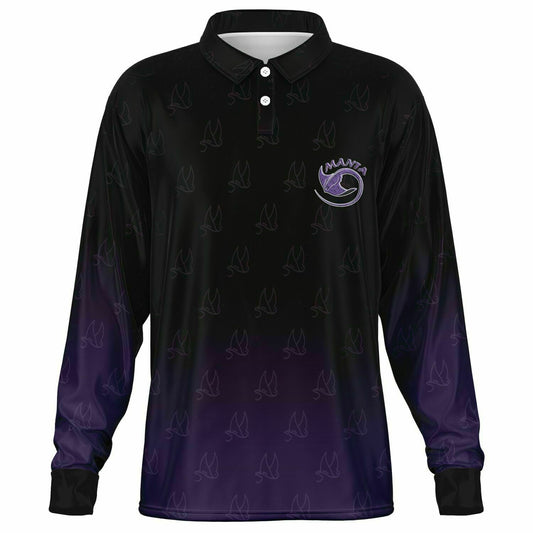
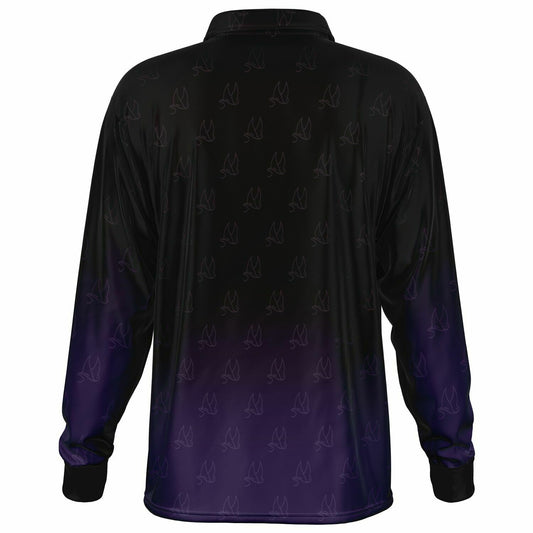
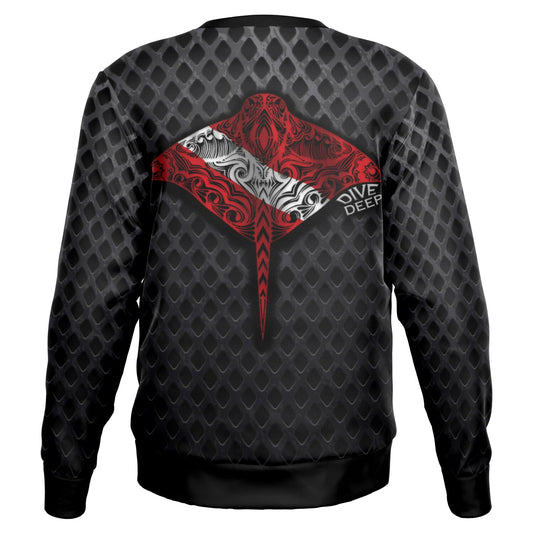
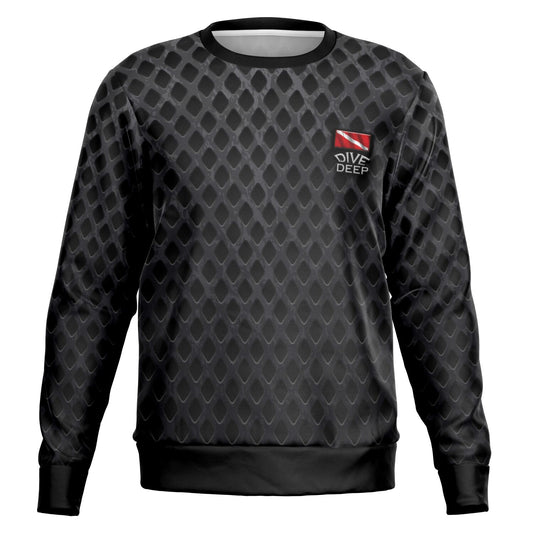
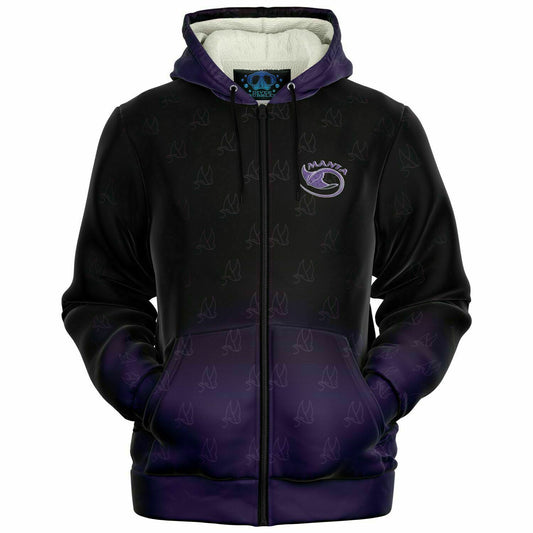
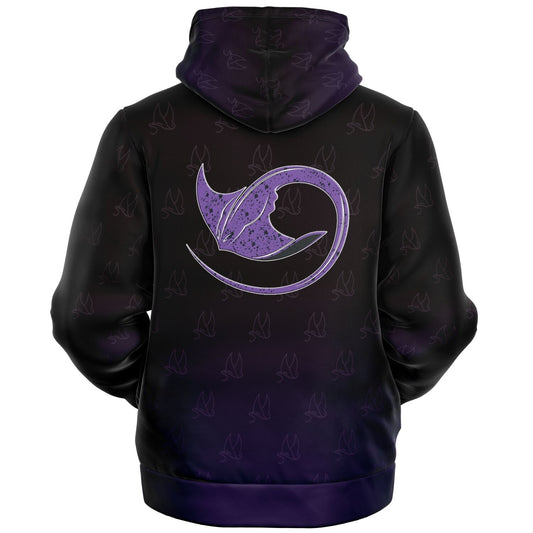
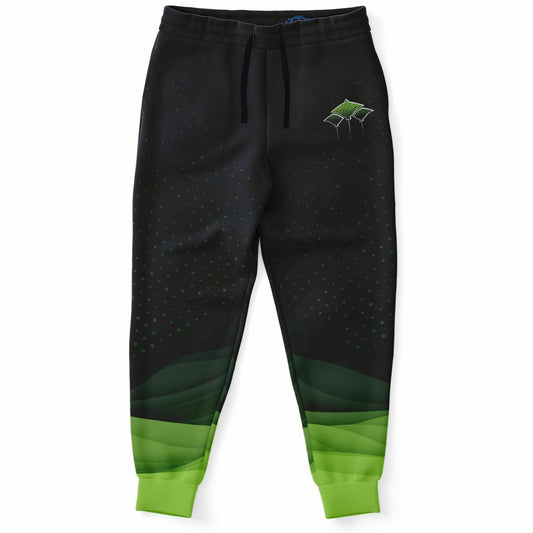
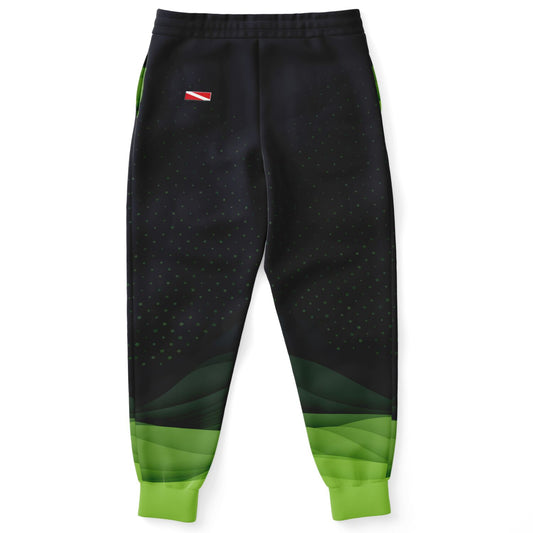


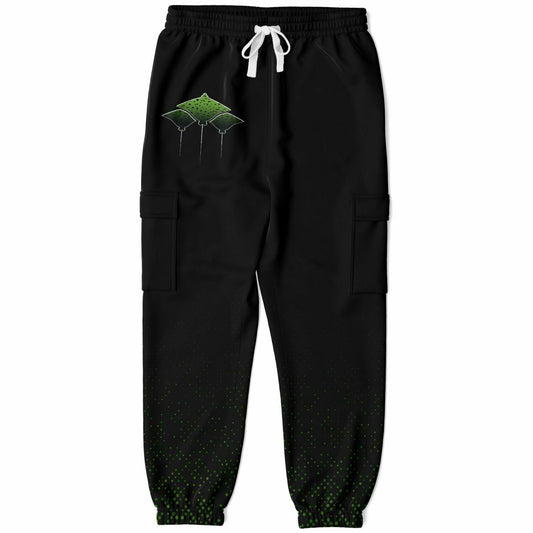

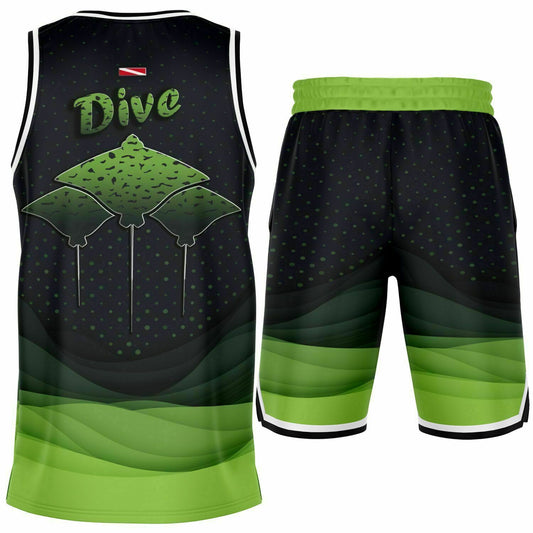
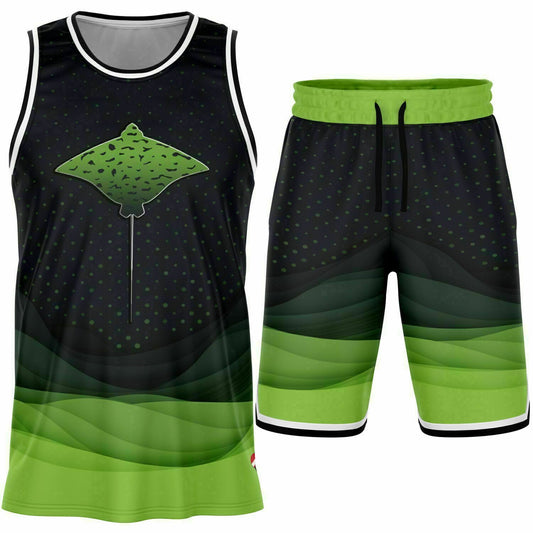
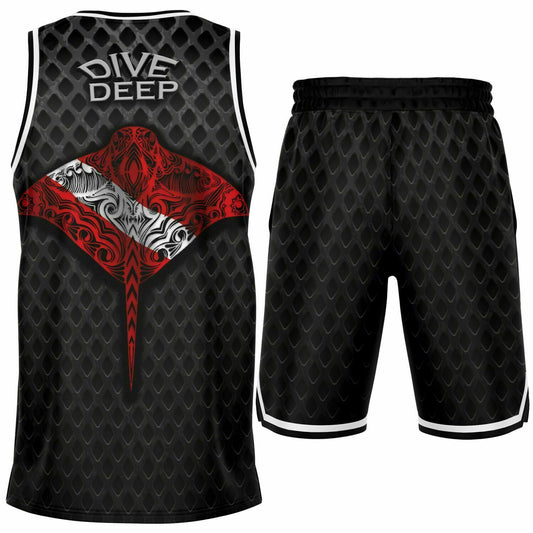
Rays are the gentlest big animals you'll meet on a dive, and these prints are built around them: stingrays gliding over the sand, mantas banking overhead and a purple ray in full flight. Choose a long-sleeve rash guard with built-in UV protection for the water, a microfleece zip-up hoodie for after the dive, or a UPF 50+ polo for the boat.
New to rash guards? Read our guide on how to choose a scuba diving rash guard: fit, layering under a wetsuit and saltwater care.
Manta rays and stingrays: what's the difference?
Manta rays live in open water and feed on plankton, filtering it through their wide mouths; the giant oceanic manta can reach a wingspan of about seven metres. Stingrays spend most of their time on or near the sand, hunting shellfish and crabs, and carry a barbed spine on the tail that they use only in defence. Both are calm around divers who stay low, move slowly and keep their hands to themselves.
Where divers meet rays
Mantas visit cleaning stations, where small fish pick parasites off their skin; divers wait at the edge and let the mantas come in. Well-known spots include the manta night dive off Kona in Hawaii, Manta Point in Komodo and the atolls of the Maldives. For stingrays, Stingray City in Grand Cayman is the classic: a shallow sandbar where southern stingrays glide right up to visitors. Walking in from a sandy beach? Shuffle your feet, so any ray buried in the sand has time to move away.
Sizes, fabric and delivery
Ray rash guards come in sizes XS to 4XL, in a quick-dry 82% polyester / 18% spandex fabric with four-way stretch and flatlock seams. The zip-up hoodies have a soft microfleece lining, and the polos are rated UPF 50+. Everything is printed and sewn to order in 4–9 business days, then shipped worldwide.
More ocean animals: sharks, whales, octopus, sea turtles and marine life, and the diver down flag.
Frequently asked questions
Which ray designs do you have?
Do manta rays sting?
Is a rash guard enough on its own for a warm-water dive?
How long does delivery take?


